
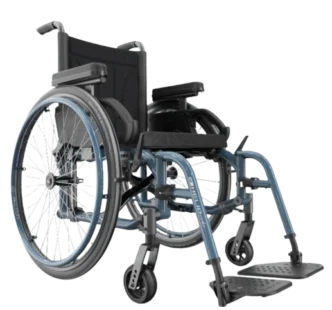
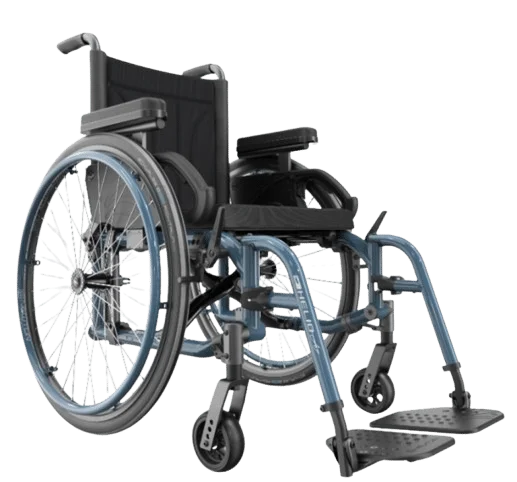

Finding the right mobility wheelchair can dramatically improve a person’s daily life. Whether someone is recovering from an injury, managing a long-term condition, or seeking greater independence, selecting the proper wheelchair is one of the most important decisions they can make.
Among the many options available today, tilt-in-space wheelchairs have become increasingly popular because they provide enhanced comfort, pressure management, and postural support. Unlike traditional wheelchairs that only allow the user to sit upright, these specialized wheelchairs enable the entire seating system to tilt backward while maintaining the user’s body position.
This innovative design offers significant benefits for both users and caregivers. Understanding how these wheelchairs work can help individuals make informed decisions about their mobility needs.
What Is a Mobility Wheelchair?
A mobility wheelchair is a mobility device designed to help individuals move safely and comfortably when walking becomes difficult or impossible. Modern wheelchairs come in many styles, ranging from lightweight manual models to advanced power wheelchairs with customizable seating systems.
The primary goal of a mobility wheelchair is to provide:
- Greater independence, comfort, and mobility in everyday life.
Today’s wheelchairs are designed to support different lifestyles, medical conditions, and activity levels. Choosing the right model depends on factors such as posture requirements, daily usage, caregiver support, and long-term comfort needs.
Example
For example, a person who primarily uses a wheelchair for short outings may benefit from a lightweight model, while someone who spends most of the day seated may require advanced seating features that reduce pressure and improve positioning.
Understanding Tilt-In-Space Wheelchairs
How Tilt-In-Space Wheelchairs Work
Tilt-in-space wheelchairs are designed with a unique mechanism that allows the seat and backrest to tilt together while maintaining a consistent angle between the user’s torso and legs.
Instead of reclining the backrest independently, the entire seating system shifts backward. This movement redistributes pressure across different areas of the body and helps reduce strain on specific pressure points.
The result is improved comfort, better posture support, and reduced fatigue throughout the day.
Key Benefits of Tilt-In-Space Wheelchairs
Enhanced Pressure Relief
One of the biggest advantages of tilt-in-space wheelchairs is pressure management. Individuals who spend extended periods sitting are at higher risk of developing pressure injuries.
Tilting the chair changes weight distribution and reduces prolonged pressure on vulnerable areas such as the lower back and hips.
Improved Postural Support
Maintaining proper posture can be challenging for many wheelchair users. Poor positioning often leads to discomfort, muscle fatigue, and long-term complications.
Tilt-in-space technology helps maintain body alignment while providing additional support for the head, neck, and trunk.
Increased Comfort Throughout the Day
Comfort plays a major role in overall well-being. By allowing users to change their position without transferring out of the chair, tilt-in-space systems help reduce discomfort and promote relaxation.
Many users report feeling less fatigued after spending long periods in a properly configured tilt-in-space wheelchair.
Better Caregiver Assistance
Caregivers often assist with repositioning and pressure relief. Tilt-in-space wheelchairs simplify these tasks by allowing adjustments with minimal physical effort.
This feature can make daily care routines safer and more efficient for everyone involved.
When Is a Tilt-In-Space Wheelchair Recommended?
Healthcare professionals may recommend tilt-in-space wheelchairs for individuals who:
- Have limited trunk control or postural stability.
- Require frequent pressure relief.
- Experience fatigue from maintaining an upright position.
- Need enhanced seating support throughout the day.
- Have neurological or progressive medical conditions.
Because every individual has unique needs, a professional assessment is often recommended before selecting a wheelchair.
Comparing Standard Wheelchairs and Tilt-In-Space Wheelchairs
While traditional wheelchairs serve many users well, tilt-in-space models provide additional benefits for those requiring advanced positioning support.
A standard wheelchair primarily focuses on mobility and transportation. In contrast, tilt-in-space wheelchairs combine mobility with therapeutic seating features that support long-term comfort and health.
Example
Imagine two individuals spending eight hours per day in a wheelchair. One uses a standard model and requires frequent repositioning. The other uses a tilt-in-space wheelchair and can easily change positions throughout the day. The second user may experience improved comfort, reduced pressure buildup, and better overall support.
Pro Tip: Focus on Long-Term Comfort
Choosing the Right Mobility Wheelchair
Many people focus solely on mobility when selecting a wheelchair. However, comfort and positioning are equally important.
Pro Tip: When evaluating a mobility wheelchair, think about how many hours it will be used each day. Features such as pressure relief, adjustable seating, and tilt functions can significantly improve quality of life over time.
A wheelchair should not only help users move from place to place—it should also support their health, comfort, and independence.
Conclusion
Selecting the right mobility wheelchair can have a lasting impact on comfort, safety, and daily independence. For individuals who require advanced positioning support, tilt-in-space wheelchairs offer valuable benefits that go beyond basic mobility.
From pressure relief and improved posture to enhanced caregiver support and all-day comfort, these specialized wheelchairs provide practical solutions for a wide range of users. By understanding their features and benefits, individuals and caregivers can make more confident decisions and choose a wheelchair that supports both immediate and long-term needs.